Rope Climb

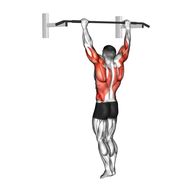
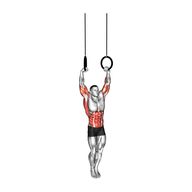
Muscle Groups: Shoulders, Lats, Forearm, Biceps

Rope Climb focuses on Shoulders, Lats, Forearm, Biceps, with Quads, Hamstrings, Calves working as supporting muscles.

How to Perform

Follow these step-by-step instructions to perform Rope Climb with proper form and technique.

  1. 1

    Stand directly beneath the rope, reaching up to grasp it firmly with both hands, one slightly above the other.

  2. 2

    Pull yourself up slightly, then bring your knees towards your chest and wrap the rope around one leg, securing it by pressing the other foot over the rope and against the first foot.

  3. 3

    Drive your legs downwards, using the friction of the rope between your feet to push your body upwards.

  4. 4

    As your legs extend, quickly reach higher with your hands, repositioning them further up the rope.

  5. 5

    Release the leg wrap, bring your knees back towards your chest, and re-wrap the rope with your feet.

  6. 6

    Continue this alternating pattern of leg drive and hand repositioning to ascend the rope.

  7. 7

    To descend, slowly release the leg wrap and control your slide down the rope by maintaining a firm grip with your hands and using your feet to regulate speed.

Secondary Muscles

While Rope Climb primarily targets Shoulders, Lats, Forearm, Biceps , this exercise also activates several secondary muscle groups during the movement. These supporting muscles include Quads, Hamstrings, Calves . Engaging these secondary muscles helps stabilize your body throughout the exercise, improves overall coordination, and contributes to balanced muscle development.

Related Exercises

If you enjoyed Rope Climb, you might also want to try these related exercises that target similar muscle groups.

These exercises work the same primary muscles as Rope Climb, making them excellent alternatives for variety in your training program or complementary movements to include in the same workout session. Mixing different exercises that target similar muscle groups helps prevent plateaus, reduces overuse injuries, and keeps your workouts engaging and effective.

Ready to Start Your Strength Journey?

Download LiftTrack and start building custom workouts that sync seamlessly with your Garmin watch.