Suspension Single-leg Deadlift

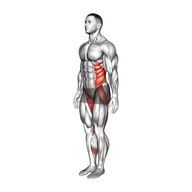
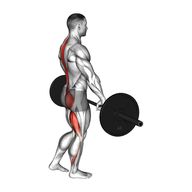
Muscle Groups: Hamstrings, Hips, Lower Back

Suspension Single-leg Deadlift focuses on Hamstrings, Hips, Lower Back, with Lats, Traps, Forearm, Quads, Glutes working as supporting muscles.

How to Perform

Follow these step-by-step instructions to perform Suspension Single-leg Deadlift with proper form and technique.

  1. 1

    Stand facing the suspension trainer anchor point, holding both handles with your arms extended in front of you.

  2. 2

    Lift one foot off the ground, keeping a slight bend in your standing knee and your core engaged.

  3. 3

    Hinge at your hips, allowing your torso to lower towards the floor while simultaneously extending your lifted leg straight back behind you.

  4. 4

    Keep your back flat and your gaze neutral as you continue to lower your torso until it is roughly parallel to the floor, or you feel a stretch in your hamstring.

  5. 5

    Drive through the heel of your standing foot, squeezing your glute and hamstring to pull your torso back upright.

  6. 6

    Return to the starting position with your lifted leg off the ground, maintaining control throughout the movement.
Secondary Muscles

While Suspension Single-leg Deadlift primarily targets Hamstrings, Hips, Lower Back , this exercise also activates several secondary muscle groups during the movement. These supporting muscles include Lats, Traps, Forearm, Quads, Glutes . Engaging these secondary muscles helps stabilize your body throughout the exercise, improves overall coordination, and contributes to balanced muscle development.

Related Exercises

If you enjoyed Suspension Single-leg Deadlift, you might also want to try these related exercises that target similar muscle groups.

These exercises work the same primary muscles as Suspension Single-leg Deadlift, making them excellent alternatives for variety in your training program or complementary movements to include in the same workout session. Mixing different exercises that target similar muscle groups helps prevent plateaus, reduces overuse injuries, and keeps your workouts engaging and effective.

Ready to Start Your Strength Journey?

Download LiftTrack and start building custom workouts that sync seamlessly with your Garmin watch.